
DVC vs TVC: Which Video Format Fits Your Brand?
DVC and TVC are both video ads, but they differ in purpose, length, and where they air. This article helps you choose the format that matches your budget and audience.
Baca tulisan ini dalam Bahasa Indonesia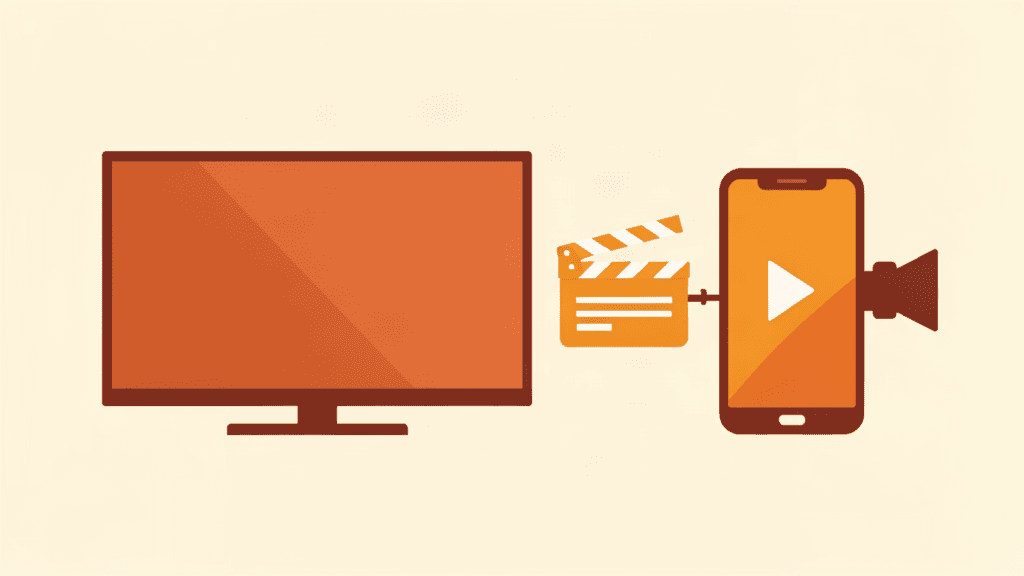
When a brand wants a video ad, one of the first questions is: TVC or DVC? The two sound similar, but choosing the wrong one can waste budget on a video that never reaches the right audience. Here we explain the difference in practical terms, from the production side.
What are TVC and DVC?
TVC stands for television commercial, a video ad designed to air on television. The format is usually built to broadcast standards, including aspect ratio, resolution, and the durations that are common on TV channels.
DVC stands for digital video commercial, a video ad designed for digital platforms such as YouTube, Instagram, TikTok, or the brand's own website. The term is widely used in the industry, though not every vendor uses it in exactly the same way. For that reason, always ask a vendor what they mean when they offer a DVC.
The core difference lies in where the video plays and how people watch it. TV viewers usually watch passively, on a large screen, between programs. People on digital platforms can pause, scroll, or skip ads, so the video needs to catch attention within the first few seconds.
Key differences in practice
Four things usually differ when these two formats are produced.
First, duration. TVC is typically built to standard lengths that fit broadcast schedules, for example 15, 30, or 60 seconds. DVC is more flexible. Many DVCs are shorter for digital platforms, and some versions are made specifically for vertical formats or skippable ad slots.
Second, how the video opens. In a TVC, the story can build slowly because the viewer is already in front of the screen. In a DVC, the main message needs to appear sooner. For example, the product or the problem being solved should be visible within the first three to five seconds.
Third, aspect ratio. TVC is usually landscape. DVC often needs several ratios, such as 16:9 for YouTube, 9:16 for Reels and TikTok, and 1:1 for certain feeds. This adds work in framing and cutting.
Fourth, budget and number of versions. TVC often involves significant broadcast distribution costs, so planning is tighter. DVC can be produced in more versions with more controlled production costs, but each version still needs a clear purpose.
When to choose TVC
TVC fits when the main goal is brand awareness on a broad scale, a major product launch, or a national campaign that should appear on television. The format also suits brands that want a consistent and authoritative image.
However, TVC needs a clear media plan. A good video is not effective if its broadcast slot does not match the target audience. Before deciding, ask your media team: on which channel or program will the ad air, and who watches it there?
When to choose DVC
DVC fits when your goal is to encourage interaction, direct potential customers to a website or online store, or test several messages before a larger campaign. The format also suits brands whose audience is active on social media.
The advantage is that you can measure responses faster. Views, watch time, clicks, and comments can be read within days. From that data, the creative team can improve the next version.
Checklist before you decide
Use this list as a starting guide:
- What is the main goal of the video: brand awareness, sales, or image building?
- Where does your audience spend most of its time?
- How much is available for production and for distribution?
- How many versions do you need for different aspect ratios and durations?
- Who will measure the results, and which metrics will be used?
- Do you plan to use short cuts of the video on social media after the main campaign?
If most answers point to digital media, a DVC is usually the more practical starting point. If your goal is national reach through television, TVC remains relevant. Many brands use both: a main video for television, and short cuts for digital platforms.
Common mistakes
The first mistake is making one long video and cutting it carelessly for every platform. The result often feels off on a phone screen. The second is choosing a format only because it is trending, without checking whether the audience is actually there. The third is not preparing short versions from the start, so the team has to reproduce footage once the campaign is already running.
Conclusion
TVC and DVC are not terms where one beats the other. They are tools for different goals. First decide who you want to reach, where they watch, and what you want them to do after seeing the video. Then choose the format that makes the most sense, and prepare a versioning plan so the brand message stays consistent on every screen.